Food Processors Don’t Struggle With Supply, They Struggle With Consistency
Mar 20, 2026 • 5 min read
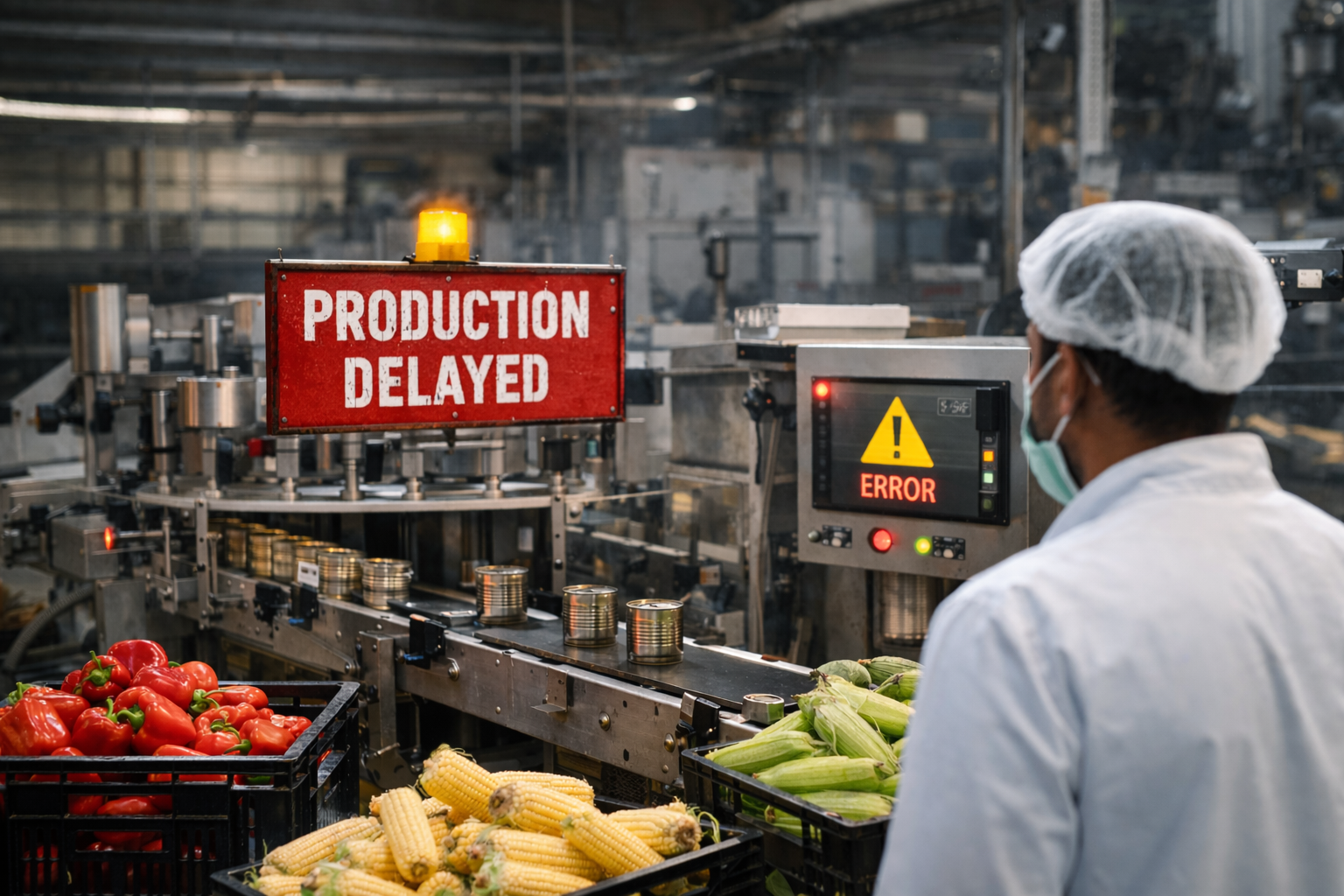
Most food processors can find raw materials.
Suppliers exist.
Markets are active.
Crops are available.
Yet production planning remains one of the most difficult parts of running a processing operation. Downtime happens unexpectedly. Schedules change. Costs fluctuate. And confidence in supply remains fragile.
The issue is not access.
It is consistency.
Availability Is Not the Same as Reliability
From the outside, supply looks sufficient.
Multiple suppliers offer the same crop. Volumes appear available across regions. Prices are quoted daily. On paper, this should make planning easier.
In practice, it does not.
What processors need is not occasional availability but predictable, repeatable supply that aligns with production cycles.
Where Consistency Breaks Down
Consistency fails quietly, long before crops reach the factory.
Common challenges include:
uneven quality across deliveries
fluctuating moisture levels
inconsistent volumes from the same suppliers
delays during aggregation
last-minute changes in delivery timelines
Each issue alone may seem manageable. Together, they make planning unreliable.
The Hidden Cost of Unreliable Supply
When consistency is weak, processors pay in ways that are not always visible.
Production lines slow down or stop. Labor sits idle. Energy and overhead costs continue. Finished goods schedules shift, affecting downstream customers.
These costs rarely appear as a single loss.
They accumulate gradually, eroding margins and increasing operational stress.
Why More Suppliers Don’t Fix the Problem
A common response to inconsistency is to add more suppliers.
This increases options but not necessarily reliability.
Without:
shared quality standards
aligned delivery expectations
clear aggregation timelines
more suppliers often mean more variability, not more control.
Consistency is not created by quantity.
It is created by coordination.
Planning Requires Visibility, Not Guesswork
Effective production planning depends on early visibility.
Processors need to know:
what volume is coming
when it will arrive
at what quality level
When this information is unclear, planning becomes reactive. Decisions are made under pressure rather than design.
This is where systems and coordination matter more than negotiation.
Ecosystems such as CropSupply focus on addressing this gap, helping processors move from fragmented sourcing toward structured, visible supply that supports stable production planning.