The Real Shock to Crop Trading Isn’t Climate It’s Unpredictability
By Mazaohub Editorial
Mar 20, 2026 • 5 min read
Mar 20, 2026 • 5 min read
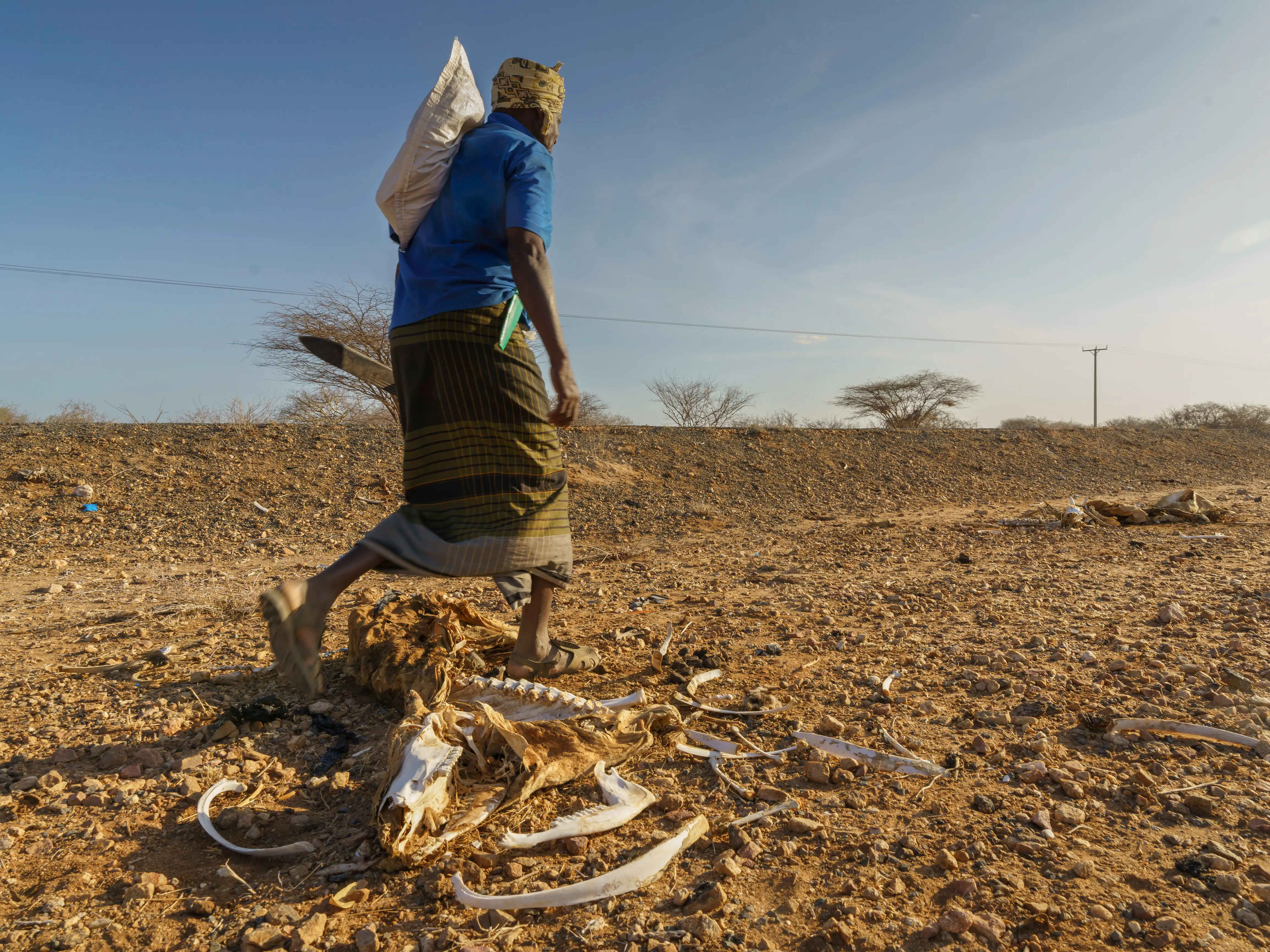
Climate change dominates conversations about agriculture.
Rainfall patterns. Droughts. Floods. Temperatures.
But for many crop traders, processors, and buyers, the real disruption is not climate itself.
It is unpredictability.
Markets no longer behave in ways that experience alone can anticipate. Seasons overlap. Supply arrives early or late. Borders open, then close. Demand spikes without warning. What once felt cyclical now feels irregular.
The challenge is no longer managing known risks.
It is operating in an environment where planning itself has become unstable.
When the Calendar Stops Working
For decades, crop trading relied on a familiar rhythm:
planting seasons
harvest windows
storage cycles
predictable demand patterns
These calendars made planning possible. Even when weather was imperfect, timelines were broadly reliable.
Today, that rhythm is breaking.
Harvests arrive unevenly. Quality varies unexpectedly. Volumes appear fragmented rather than concentrated. Traders find themselves asking not “How much will be available?” but “When and for how long?”
Uncertainty is no longer an exception.
It is becoming the baseline.
Why Unpredictability Hurts More Than Shortages
Shortages are visible.
Unpredictability is not.
When markets face shortages, participants adjust. Prices move. Supply chains reroute. Decisions are made with urgency, but clarity exists.
Unpredictability, however, erodes decision-making quietly.
It creates:
hesitation in sourcing
delays in aggregation
conservative logistics planning
capital held back “just in case”
Instead of acting decisively, traders wait. And waiting has costs financial, operational, and relational.
Volatility Without Signals
What makes unpredictability particularly damaging is the lack of reliable signals.
Weather forecasts change. Policy announcements arrive late. Export restrictions appear suddenly. Input costs fluctuate without warning.
Information still exists but it is often:
fragmented
delayed
contradictory
Without early signals, markets react instead of plan. And reactive markets tend to reward scale and power, not efficiency or discipline.
The Shift From Risk Management to Uncertainty Management
Traditional risk management assumes probabilities.
Uncertainty does not.
In uncertain markets:
historical averages lose relevance
experience provides fewer guarantees
margins must absorb more shock
This forces a shift. Traders and buyers can no longer rely solely on instinct or precedent. They need systems that provide early visibility, not perfect predictions.
The question becomes:
“What do we know early enough to act even if conditions change?”
Why This Is a Market Issue, Not a Climate One
Labeling this challenge as “climate-related” simplifies the problem.
Unpredictability is shaped by multiple forces:
climate variability
policy interventions
regional trade disruptions
infrastructure constraints
information gaps
Focusing on climate alone misses the larger picture. The issue is how markets absorb and respond to volatility, regardless of its source.
This is where coordination, information, and system design matter more than forecasts.
Trading in an Unpredictable Environment
In unpredictable markets, resilience replaces optimization.
This means:
prioritizing visibility over precision
designing flexible aggregation strategies
aligning logistics and cash flow conservatively
building buffers through information, not inventory